Tips for Creating a Cozy and Inviting Home Workspace
Creating a home workspace that feels cozy and inviting can make all the difference in how productive and comfortable you are during the workday. Whether you’re working remotely full-time or just need a dedicated spot for occasional tasks, designing a space that balances functionality with comfort helps you stay focused and motivated.
In this post, we’ll explore practical tips to help you create a home workspace that feels welcoming, organized, and inspiring.
1. Choose the Right Location
Selecting the ideal spot for your home workspace is the first step in creating a cozy environment. Look for an area that meets these criteria:
– Natural Light: A space with plenty of natural light can enhance your mood and reduce eye strain. Position your desk near a window if possible.
– Quiet and Private: Choose a spot away from high-traffic areas to minimize distractions and noise.
– Sufficient Space: Make sure there’s enough room for your desk, chair, and storage without feeling cramped.
If a dedicated room isn’t available, carve out a nook using room dividers or bookshelves to visually separate your workspace from other areas.
2. Invest in Comfortable Furniture
Comfort is key when you’re spending hours at your desk. Invest in ergonomic furniture that supports your posture and reduces strain.
– Desk: Pick a desk that fits your space and supports your work style. Standing desks or adjustable desks can offer flexibility.
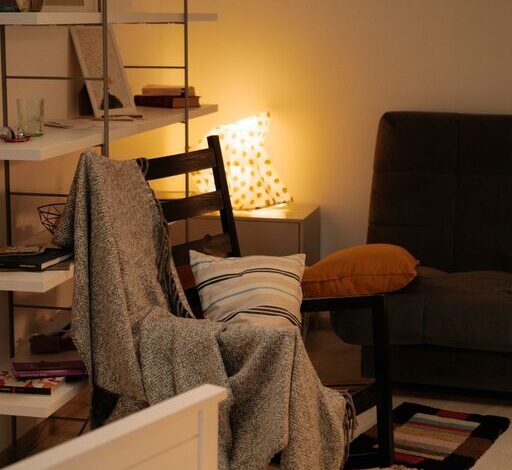
– Chair: Choose an ergonomic chair with adjustable height and lumbar support. Add a cushion or throw blanket for extra coziness.
– Footrest: If your feet don’t rest flat on the floor, use a footrest to improve circulation and comfort.
Comfortable seating and a properly sized desk encourage longer, more focused work sessions.
3. Personalize Your Space
Adding personal touches can make your workspace feel more welcoming and reflect your personality.
– Artwork or Photos: Hang inspiring artwork or personal photos to bring warmth to the room.
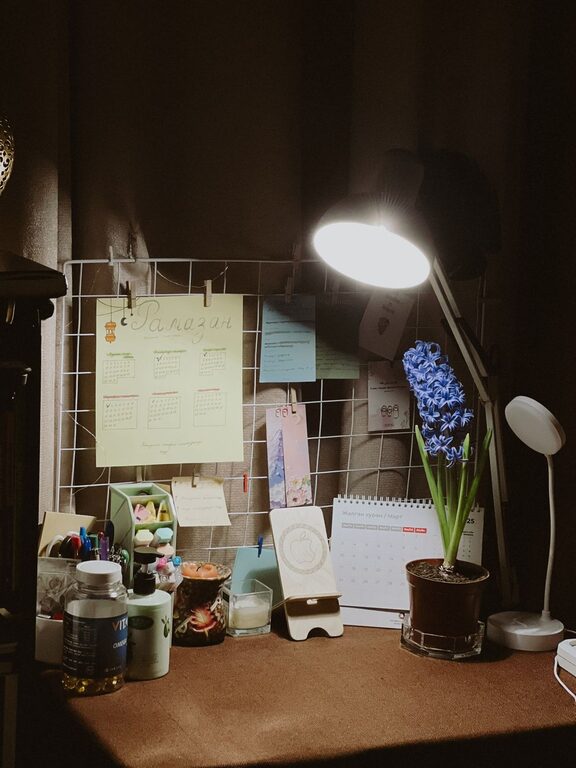
– Plants: Incorporate houseplants to add color and improve air quality. Low-maintenance plants like pothos or succulents work well.
– Decor: Use cozy textiles like rugs, cushions, or curtains to soften the space.
Personal touches not only make the area more inviting but also create a soothing environment that reduces stress.
4. Optimize Lighting
Good lighting is crucial for preventing eye strain and maintaining energy levels.
– Layer Your Lighting: Combine natural light with different types of artificial lighting — ambient (overhead), task (desk lamp), and accent lighting.
– Adjustable Desk Lamp: Use a lamp with adjustable brightness and positioning to focus light where you need it.
– Warm Light: Opt for bulbs with warm color temperatures (2700K to 3000K) to create a cozy atmosphere.
Proper lighting helps you stay alert during work while keeping the energy comfortable and inviting.
5. Keep It Organized and Clutter-Free
A tidy workspace contributes hugely to a cozy, stress-free environment.
– Declutter Regularly: Remove unnecessary items to keep surfaces clear.
– Storage Solutions: Use shelves, drawers, baskets, or organizers to keep supplies in order.
– Cable Management: Use clips or sleeves to keep cords neatly arranged and out of sight.
When your workspace is well-organized, you can focus more easily and feel less overwhelmed.
6. Incorporate Soothing Colors
Colors have a subtle impact on mood and productivity.
– Choose Calming Shades: Soft neutrals, pastels, or earthy tones promote relaxation and concentration.
– Accent Colors: Use small pops of cheerful colors like green or blue to add interest without distraction.
– Avoid Overstimulation: Steer clear of overly bright or busy patterns that may cause visual fatigue.
Use paint, wallpaper, or accessories to create a color palette that feels peaceful and cohesive.
7. Add Comfortable Textiles
Textiles bring warmth and softness to a workspace, making it feel more inviting.
– Rugs: A cozy area rug adds texture and can anchor your desk area.
– Throw Blankets: Keep a soft blanket nearby for chilly days.
– Cushions: Add cushions to your chair or a nearby seating area for comfort.
These subtle touches help turn your workspace into a space you want to be in.
8. Manage Noise Effectively
Even subtle background sounds can be distracting or disrupt your concentration.
– Noise-Canceling Headphones: Use headphones to block out unwanted noise or listen to calming music.
– Soft Furnishings: Rugs, cushions, and curtains help absorb sound and reduce echo.
– White Noise Machines: Consider a white noise machine if you need consistent background sound to focus.
Managing noise levels can improve mental clarity and reduce frustration.
9. Create Zones for Different Activities
If your workspace allows, designate different areas for varied tasks.
– Focused Work Area: A clean desk space for computer work or writing.
– Creative Zone: A spot with art supplies or inspiration boards.
– Break Corner: A comfy chair or small sofa where you can step away and relax.
Having zones signals your brain when it’s time to focus and when it’s time to rest.
10. Make Time for Breaks
Finally, remember that no workspace, no matter how cozy, works well without breaks.
– Set Reminders: Use apps or timers to take regular short breaks.
– Stretch and Move: Incorporate simple stretches or brief walks to refresh your body and mind.
– Hydrate and Snack: Keep water and healthy snacks nearby to stay energized.
A well-designed workspace combined with mindful habits keeps you productive and comfortable throughout your day.
—
Creating a cozy and inviting home workspace is about balancing comfort, organization, and personal style. By thoughtfully selecting your location, furniture, lighting, and accessories, you can design a space that feels both productive and welcoming. Take time to personalize and maintain your workspace to help you enjoy every workday at home.