Tips for Creating a Relaxing Home Workspace on a Budget
Creating a relaxing home workspace is essential, especially as many people continue to work remotely or need a dedicated spot for personal projects. The good news is you don’t have to spend a fortune to set up a space that feels calm, organized, and inspiring. In this post, we’ll share practical tips to help you design a peaceful, budget-friendly workspace right at home.
Why a Relaxing Workspace Matters
A cluttered or uncomfortable workspace can increase stress and reduce focus. On the other hand, a well-organized and serene setup can boost productivity, encourage creativity, and improve your overall mood. Your workspace should be a place you look forward to spending time in — not just for work but also for achieving balance and calm.
Step 1: Choose the Right Spot
Before buying anything, pick the best location in your home for your workspace. Consider these factors:
– Natural Light: Try to select a space with plenty of daylight. Natural light can improve alertness and help reduce eye strain.
– Quiet Environment: Find a spot away from household noise or distractions.
– Space Availability: Assess how much room you have. It might be a whole room or a small nook, but make sure it feels comfortable.
If space is limited, even a corner of a living room or bedroom can be turned into a productive area.
Step 2: Declutter and Organize
Starting with a clean slate is key. Here’s how to declutter efficiently:
– Remove unnecessary items from your chosen workspace.
– Sort through papers, cables, and supplies, keeping only what you regularly use.
– Use simple storage containers, boxes, or trays to keep things tidy. These can often be found inexpensively at dollar stores or thrift shops.
Establishing good organization habits will help maintain a neat and relaxing environment.
Step 3: Invest in Comfort
Comfort is essential but doesn’t have to be costly. To enhance comfort:
– Chair: Look for an ergonomic chair that supports your back. If buying new isn’t an option, add cushions or lumbar support pads to your existing chair.
– Desk: A sturdy surface with enough space for your essentials is important. Use a small table or repurpose a piece of furniture.
– Footrest: If your feet don’t touch the floor comfortably, use a small stool or box for support.
Check thrift stores, online marketplaces, or community exchanges for affordable furniture.
Step 4: Add Calming Decor
Decor doesn’t have to be expensive to be effective. Consider the following ideas:
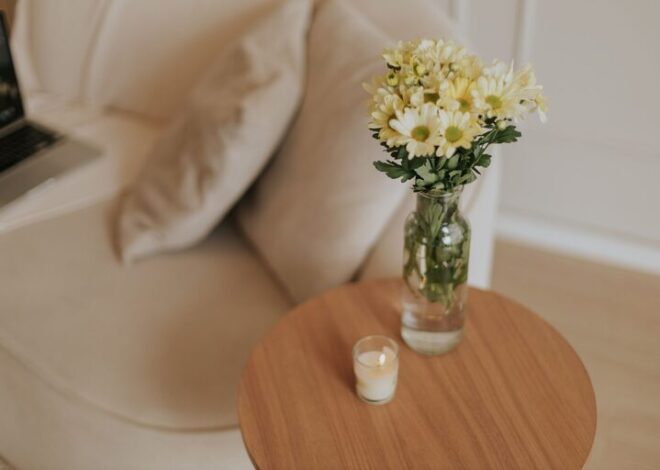
– Plants: Small indoor plants bring nature inside and improve air quality. Succulents and pothos are budget-friendly and easy to maintain.
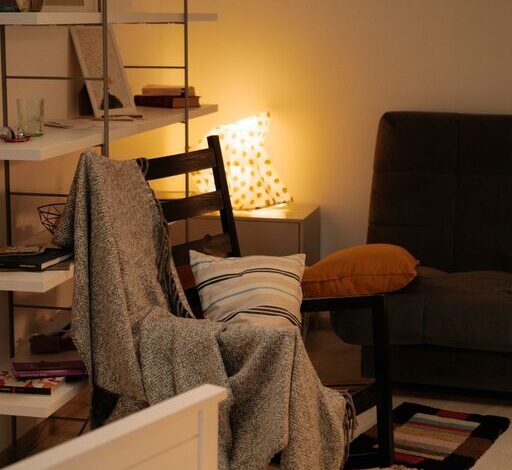
– Lighting: Avoid harsh overhead lights. Instead, use desk lamps or string lights with warm bulbs for a cozy glow.
– Colors: Soft, neutral colors tend to reduce stress. You can add calming hues with inexpensive wall art, fabric, or desk accessories.
– Personal Touches: Include inspiring quotes or photos that make you happy, but don’t overcrowd the space.
DIY projects can also add a personal, creative touch while saving money.
Step 5: Control Noise and Distractions
A quiet atmosphere fosters focus. To minimize noise:
– Use noise-cancelling headphones or earbuds for blocking distractions.
– Place a thick rug or fabric on floors and walls to absorb sound.
– Consider a white noise machine or free smartphone apps if outside noise is an issue.
Turning off notifications and setting boundaries with family or housemates can also help.
Step 6: Maintain Good Air Quality and Temperature
Feeling fresh and comfortable is part of a relaxing workspace. Tips include:
– Open windows regularly for ventilation.
– Use a small fan or humidifier depending on the season and your climate.
– Keep a bottle of water nearby to stay hydrated.
Good air and temperature control support concentration and well-being.
Step 7: Manage Cables and Technology
Messy cables can cause frustration and visual clutter. Here’s what you can do:
– Use inexpensive cable organizers, clips, or zip ties.
– Arrange devices to maximize space—consider wall mounts or laptop stands.
– Regularly clean your devices to keep your area tidy.
This simple step helps maintain a professional and peaceful workspace.
Step 8: Establish Daily Habits to Keep Your Workspace Relaxing
The best setup won’t stay peaceful without ongoing care. Encourage yourself to:
– Spend a few minutes each day tidying up.
– Keep only necessary items on your desk.
– Take short, regular breaks to prevent burnout.
Good habits help you enjoy your investment longer and maintain a relaxed mindset.
Bonus: Budget-Friendly Shopping Tips
– Look for sales, discounts, or coupons online and at local stores.
– Consider secondhand shops, flea markets, or community events for unique finds.
– Repurpose household items creatively instead of buying new.
– Compare prices and reviews before making purchases.
Planning ahead lets you make smart choices without compromising quality.
—
Creating a relaxing home workspace on a budget is absolutely possible with a little planning and creativity. By selecting the right location, organizing efficiently, investing in comfort, and adding personal touches, you can craft an inviting space that supports productivity and peace of mind. Remember, the goal is to build an environment where you feel comfortable and focused without overspending. Start small, be patient with the process, and enjoy the benefits of your new home workspace.